In the rapidly evolving landscape of digital transformation, enterprises are increasingly turning to data mid-platforms as a cornerstone for harnessing the power of their information assets. These platforms promise to break down data silos, enhance analytics capabilities, and drive innovation. However, the journey toward building an effective data mid-platform is fraught with challenges that can derail even the most well-intentioned initiatives. Understanding both the common pitfalls and the critical success factors is essential for organizations aiming to leverage their data for competitive advantage.
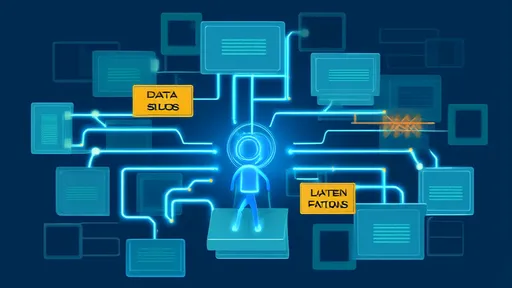
One of the most significant traps companies fall into is underestimating the complexity of integrating disparate data sources. Many organizations operate with legacy systems that have accumulated over years, if not decades, each with its own unique structure and format. Attempting to merge these without a clear strategy often leads to inconsistent data quality, duplication, and ultimately, unreliable insights. This lack of cohesion can stymie decision-making processes and erode trust in the data platform itself. It is not merely a technical issue but a organizational one, requiring cross-departmental collaboration and a unified vision.
Another common misstep is the overemphasis on technology at the expense of people and processes. Investing in state-of-the-art tools and platforms is undoubtedly important, but without skilled personnel to manage them and well-defined processes to govern data usage, the investment may yield limited returns. Data literacy across the organization is crucial; employees must understand how to interpret and apply data insights in their roles. Furthermore, establishing robust data governance frameworks ensures that data is accurate, secure, and compliant with regulations, which is increasingly critical in today's regulatory environment.
Success in data mid-platform construction hinges on a holistic approach that balances technology, people, and processes. Organizations that excel in this arena often start with a clear business case aligned with strategic objectives. They identify specific use cases where data can drive value, such as improving customer experience or optimizing supply chains, and use these as a foundation for platform development. This focus on tangible outcomes helps secure stakeholder buy-in and ensures that the platform evolves in response to real business needs rather than technological trends alone.
Moreover, fostering a data-driven culture is indispensable. This involves not only training employees but also incentivizing data-based decision-making and celebrating successes that result from data initiatives. Leadership plays a pivotal role here; when executives champion data usage and demonstrate its impact, it sets a tone that permeates throughout the organization. Companies that treat their data mid-platform as a dynamic asset, continuously refined through feedback and iteration, are better positioned to adapt to changing market conditions and uncover new opportunities.
Scalability and flexibility are also key considerations. A data mid-platform must be designed to grow with the organization, accommodating increasing volumes of data and evolving analytical requirements. Cloud-based solutions often provide the agility needed for such scalability, allowing companies to scale resources up or down based on demand. However, this requires careful planning around architecture and data management practices to avoid future technical debt. Embracing modular design and open standards can facilitate integration with new tools and technologies as they emerge.
Ultimately, the construction of a data mid-platform is not a one-time project but an ongoing journey. It demands continuous investment, not just in technology but in the people and processes that surround it. Organizations that recognize this and adopt a long-term perspective are more likely to avoid the common traps and reap the rewards of a robust, agile data infrastructure. By learning from both the failures and successes of others, businesses can navigate this complex terrain and unlock the full potential of their data assets.

By /Aug 26, 2025

By /Aug 26, 2025

By /Aug 26, 2025

By /Aug 26, 2025

By /Aug 26, 2025
By /Aug 26, 2025

By /Aug 26, 2025

By /Aug 26, 2025

By /Aug 26, 2025

By /Aug 26, 2025

By /Aug 26, 2025

By /Aug 26, 2025

By /Aug 26, 2025

By /Aug 26, 2025

By /Aug 26, 2025
By /Aug 26, 2025

By /Aug 26, 2025

By /Aug 26, 2025

By /Aug 26, 2025

By /Aug 26, 2025