Antibody-Drug Conjugates Selected for the 2025 Global Top Ten Engineering Achievements

Oct 20, 2025 By

The selection of Antibody-Drug Conjugates (ADCs) among the 2025 Top Ten Global Engineering Achievements marks a watershed moment in biomedical engineering, representing the culmination of decades of interdisciplinary innovation. These sophisticated therapeutic agents, often described as "biological smart bombs," have transcended their initial promise to become transformative tools in oncology and beyond. The recognition underscores how engineering principles—from precise molecular design to scalable manufacturing—have fundamentally reshaped therapeutic possibilities. What began as a theoretical concept in the late 20th century has evolved into a robust engineering discipline, merging biological insight with chemical precision and industrial rigor.


At its core, the ADC paradigm represents a triumph of targeted engineering over conventional therapeutic scattergun approaches. The fundamental architecture—a monoclonal antibody tethered to a potent cytotoxic payload via a specialized chemical linker—demands exquisite precision at every stage. Monoclonal antibodies, themselves products of biological engineering, serve as guidance systems with near-perfect specificity for tumor-associated antigens. Unlike traditional chemotherapy that indiscriminately attacks dividing cells, ADCs employ biological recognition to deliver their deadly cargo exclusively to malignant cells. This targeted approach demonstrates how engineering principles can create solutions that maximize therapeutic impact while minimizing collateral damage.


The engineering challenges in ADC development are monumental, requiring innovations across multiple domains. Linker technology represents perhaps the most critical engineering achievement—these molecular bridges must remain stable during circulation yet release their payload precisely within target cells. Early linker designs faced limitations in stability and controlled cleavage, but next-generation linkers now incorporate sophisticated chemical motifs that respond to specific intracellular conditions. Enzyme-cleavable linkers harness tumor-associated proteases, while acid-labile linkers capitalize on the acidic environment of endosomes and lysosomes. The evolution from simple disulfide bonds to complex, condition-sensitive structures exemplifies how chemical engineering has matured to meet biological complexity.


Manufacturing ADCs at commercial scale presents another layer of engineering innovation. The conjugation process demands extraordinary precision—typically achieving drug-to-antibody ratios within narrow tolerances while maintaining antibody integrity and payload potency. Process engineers have developed sophisticated control systems that monitor conjugation reactions in real-time, adjusting parameters to ensure batch-to-batch consistency. The transition from stochastic conjugation methods to site-specific engineering represents a quantum leap in manufacturing quality. By introducing specific amino acid mutations or incorporating non-natural amino acids, engineers can now direct conjugation to predetermined sites, creating homogeneous ADC populations with optimized pharmacological properties.


The analytical framework supporting ADC development constitutes an engineering discipline in itself. Characterization technologies have evolved to address the profound complexity of these molecules, employing mass spectrometry, capillary electrophoresis, and advanced chromatography to monitor critical quality attributes. Engineering innovations in microfluidics and lab-on-a-chip technologies now enable high-throughput screening of ADC candidates, dramatically accelerating the development timeline. The integration of artificial intelligence and machine learning has further transformed ADC engineering, with predictive algorithms guiding linker selection, payload optimization, and even patient stratification strategies.


Clinical implementation of ADCs has driven engineering innovations in companion diagnostics and treatment monitoring. The development of quantitative assays to measure target antigen expression represents a crucial engineering achievement, enabling precise patient selection. Imaging technologies have evolved to visualize ADC distribution in real-time, providing unprecedented insights into tumor targeting and normal tissue exposure. These diagnostic advances, coupled with engineered approaches to manage and mitigate toxicities, have transformed ADCs from investigational agents into mainstream therapeutics. The engineering mindset—systematic problem-solving, iterative optimization, and holistic system design—permeates every aspect of ADC clinical development.


The expansion of ADC applications beyond oncology highlights the platform's engineering versatility. Infectious disease targets, particularly in antimicrobial-resistant pathogens, represent a frontier where ADC engineering shows particular promise. By targeting bacterial surface proteins with antibody-guided antibiotics, engineers are creating solutions to one of healthcare's most pressing challenges. Similarly, autoimmune and inflammatory conditions are being addressed through targeted delivery of immunomodulatory agents. This therapeutic expansion demonstrates how a well-engineered platform can transcend its original application domain, creating solutions across the medical spectrum.


Global collaboration has been essential to ADC engineering progress, with contributions spanning academic institutions, pharmaceutical companies, and regulatory agencies. The establishment of standardized characterization methods and quality control frameworks represents a significant engineering achievement in global harmonization. International consortia have developed shared databases of ADC properties and performance characteristics, creating collective knowledge that accelerates future innovation. This collaborative engineering approach has compressed development timelines while enhancing safety profiles, demonstrating how shared engineering standards benefit the entire therapeutic ecosystem.


The economic and accessibility dimensions of ADC engineering present ongoing challenges and opportunities. Manufacturing efficiency improvements have steadily reduced production costs, though significant barriers remain for global access. Engineering innovations in single-use bioreactor systems, continuous manufacturing processes, and purification technologies continue to drive down costs while increasing capacity. The emergence of biosimilar ADCs represents the next frontier in engineering-driven accessibility, requiring novel analytical approaches to demonstrate equivalence for these complex molecules. These efforts highlight how engineering considerations extend beyond technical performance to encompass broader societal impact.


Looking forward, ADC engineering continues to evolve toward greater sophistication and capability. Next-generation platforms incorporating conditional activation, dual targeting, and combination payloads are already advancing through development pipelines. Engineering approaches that modulate ADC properties in response to physiological conditions—so-called "smart ADCs"—represent the cutting edge of therapeutic design. The integration of ADCs with other modalities, particularly immunotherapy, creates synergistic treatment paradigms that leverage the unique strengths of each approach. This continuous innovation cycle ensures that ADC engineering will remain at the forefront of biomedical advancement for the foreseeable future.


The recognition of Antibody-Drug Conjugates as a top global engineering achievement ultimately celebrates more than a specific therapeutic class—it validates an engineering mindset applied to biological challenges. From molecular design to global manufacturing, ADC development exemplifies how systematic engineering principles can transform scientific insight into life-saving medicines. As the field continues to advance, the lessons learned from ADC engineering will undoubtedly influence broader therapeutic innovation, establishing new standards for precision, efficacy, and patient-centered design in medicine.



Recommend Posts
Tech

High-Performance Carbon Fiber Composites Lead the Revolution in the New Material Industry

By /Oct 21, 2025

In the quiet laboratories and humming manufacturing facilities across the globe, a silent revolution is unfolding. High-performance carbon fiber composites, once the exclusive domain of aerospace and elite motorsports, are now spearheading a profound transformation within the advanced materials industry. This shift is not merely about replacing metals; it is about redefining the very possibilities of design, engineering, and sustainability across a breathtaking array of sectors.
Tech

Global Top Ten Engineering Achievements Selection Focuses on Practically Validated Results

By /Oct 21, 2025

In an era defined by technological acceleration and global challenges, the selection of the world's top ten engineering achievements stands as a testament to human ingenuity and its tangible impact on civilization. These are not merely blueprints or theoretical marvels; they are solutions that have been forged in the crucible of real-world application, demonstrating measurable effectiveness and profound benefits to societies worldwide. The criteria for such recognition hinge on a project's ability to transcend conceptual brilliance and deliver verified, scalable results.
Tech

Indonesia Plans to Procure China's J-10C Fighter Jets

By /Oct 21, 2025

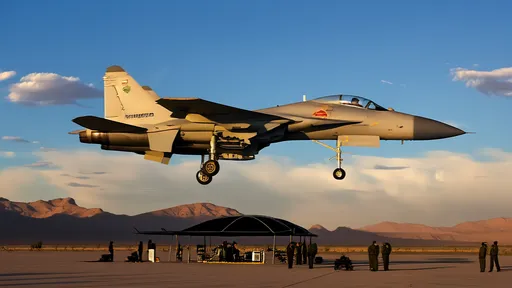
Indonesia's planned acquisition of Chinese J-10C fighter jets represents a significant shift in Southeast Asian military dynamics and strategic alignments. The potential deal, currently under negotiation between Jakarta and Beijing, would mark Indonesia's first major purchase of Chinese combat aircraft and could fundamentally reshape the country's defense posture in the region.
Tech

Top 10 Global Engineering Achievements in 2025 Showcase New Directions of Productive Forces Development

By /Oct 21, 2025

The year 2025 stands as a watershed moment in the chronicle of human technological advancement. The unveiling of the Top Ten Global Engineering Achievements offers more than a mere showcase of human ingenuity; it presents a profound and cohesive narrative of a world transitioning into a new paradigm of productivity. This is not a random collection of isolated breakthroughs, but a symphony of interconnected systems, each amplifying the other, collectively charting the definitive course for what economists and strategists now term New Quality Productive Forces. This emerging paradigm transcends the traditional metrics of output and efficiency, focusing instead on the radical reconfiguration of production itself, driven by intelligence, sustainability, and deep integration.
Tech

World Federation of Engineering Organizations General Assembly Held in Shanghai

By /Oct 21, 2025

The grand assembly hall of the Shanghai International Convention Center witnessed a remarkable convergence of engineering brilliance as the World Federation of Engineering Organizations (WFEO) convened its General Assembly this week. Against the backdrop of Shanghai's glittering skyline, over eight hundred delegates from more than one hundred countries gathered for what many are calling the most significant engineering summit of the decade. The atmosphere crackled with intellectual energy as engineers, policymakers, and industry leaders exchanged ideas that would shape the future of global infrastructure and technological development.
Tech

Indonesia to Become the Third Country to Operate J-10C Fighter Squadrons

By /Oct 21, 2025

Indonesia is poised to become the third nation to operate the Chengdu J-10C Vigorous Dragon fighter jet, marking a significant shift in Southeast Asian military dynamics. Multiple defense sources confirm that Jakarta has finalized negotiations with China for the acquisition of two squadrons of the advanced fourth-generation fighter, a move that signals Indonesia's strategic diversification beyond traditional Western suppliers.
Tech

2025 Global Top Ten Engineering Achievements: A New Era of Technological Advancement

By /Oct 21, 2025

The year 2025 marks a watershed moment in human engineering history, as the global scientific community unveils its selection of the world's most groundbreaking engineering achievements. These remarkable feats represent not merely incremental improvements but fundamental shifts in how humanity addresses its most pressing challenges. From quantum computing's leap into practical application to biotechnology's revolutionary approaches to healthcare, these accomplishments demonstrate engineering's evolving role as the primary driver of human progress.
Tech

South-to-North Water Diversion Middle Route Project Selected as One of the Top 10 Global Engineering Achievements of 2025

By William Miller/Oct 20, 2025

In a remarkable recognition of engineering prowess, China's South-to-North Water Diversion Middle Route Project has been named among the 2025 Global Top Ten Engineering Achievements, standing shoulder to shoulder with other world-changing infrastructure marvels. This prestigious acknowledgment comes as no surprise to those familiar with the project's monumental scale and transformative impact on water resource distribution in one of the world's most populous regions.
Tech

Blackwell GPU Architecture Named Among Top 10 Global Engineering Achievements of 2025

By /Oct 20, 2025

The technology world witnessed a significant milestone as NVIDIA's Blackwell GPU architecture was officially recognized among the Top 10 Global Engineering Achievements of 2025, standing alongside other groundbreaking innovations that are reshaping our technological landscape. This prestigious recognition, announced by an international consortium of engineering academies and technology institutions, highlights the architecture's profound impact on computational capabilities and its potential to drive the next wave of technological advancement across multiple industries.
Tech

ASEAN-US AI Cooperation Forum Held in Washington

By /Oct 21, 2025

The bustling corridors of Washington's convention centers witnessed a significant convergence of technological minds this week as Southeast Asian and American leaders gathered for the inaugural ASEAN-U.S. AI Cooperation Forum. The atmosphere was thick with a palpable sense of opportunity, a feeling that this was more than just another diplomatic meeting; it was the forging of a crucial partnership for the technological century ahead.
Tech

Establishing a Coordinated Action Direction for AI Innovation and Governance Practices in the Engineering Field

By /Oct 20, 2025

In the rapidly evolving landscape of artificial intelligence, the engineering community stands at a critical juncture where innovation must be carefully balanced with governance. The breakneck pace of AI development has brought unprecedented capabilities, from autonomous systems to predictive analytics, yet these advancements arrive alongside significant ethical and practical challenges. Engineering professionals across disciplines recognize that unbridled innovation without proper safeguards could lead to unintended consequences that might undermine public trust and stall progress.
Tech

Bangladesh and Egypt Express Interest in J-10C Fighter Jets

By /Oct 21, 2025

In a development that underscores the shifting dynamics of global arms trade, Bangladesh and Egypt have reportedly expressed formal interest in acquiring China's J-10C Vigorous Dragon multirole fighter jet. This potential procurement, if realized, would mark a significant strategic pivot for both nations and represent a major export breakthrough for China's advanced military aviation technology, traditionally dominated by American, Russian, and European manufacturers.
Tech

The Global Humanoid Robot Industry Innovation Enters the Fast Lane of Accelerated Development

By /Oct 20, 2025

In the quiet hum of laboratories and the bustling floors of manufacturing plants across the globe, a new industrial revolution is taking shape—one defined not by steam or silicon, but by the precise, deliberate movements of humanoid robots. After decades of promise and speculation, the global humanoid robot industry has decisively shifted from a phase of research and niche application into a period of explosive, accelerated development. The convergence of breakthroughs in artificial intelligence, material science, and actuator technology has created a perfect storm, propelling these machines from the pages of science fiction into the tangible reality of our factories, warehouses, and, increasingly, our daily lives.
Tech

Antibody-Drug Conjugates Selected for the 2025 Global Top Ten Engineering Achievements

By /Oct 20, 2025

The selection of Antibody-Drug Conjugates (ADCs) among the 2025 Top Ten Global Engineering Achievements marks a watershed moment in biomedical engineering, representing the culmination of decades of interdisciplinary innovation. These sophisticated therapeutic agents, often described as "biological smart bombs," have transcended their initial promise to become transformative tools in oncology and beyond. The recognition underscores how engineering principles—from precise molecular design to scalable manufacturing—have fundamentally reshaped therapeutic possibilities. What began as a theoretical concept in the late 20th century has evolved into a robust engineering discipline, merging biological insight with chemical precision and industrial rigor.
Tech

Global Engineering Community Calls for Unprecedented Speed and Scale of Collaboration

By /Oct 21, 2025

In an unprecedented move that signals both urgency and opportunity, the global engineering community is issuing a clarion call for collaboration at a scale and speed never before witnessed in human history. This is not merely a suggestion for increased cooperation; it is a fundamental recognition that the complex, interconnected challenges of the 21st century—from climate change and resource scarcity to pandemics and digital transformation—cannot be solved by any single nation, corporation, or discipline working in isolation. The very fabric of modern civilization, built and maintained by engineers, is under strain, demanding a response that is equally sophisticated and unified.
Tech

Manned Deep-Sea Submersible Reaches Mariana Trench Challenger Deep

By Joshua Howard/Oct 20, 2025

In the perpetual twilight of the ocean's greatest abyss, a sphere of light pierced the darkness. Inside a titanium alloy cabin, built to withstand pressures beyond human comprehension, a team of explorers witnessed a world few have ever seen. The recent descent of a full-ocean-depth manned submersible to the Challenger Deep, the deepest point of the Mariana Trench, marks not merely another entry in the logbooks of oceanography, but a profound moment of human tenacity and technological triumph. This journey to the planet's final frontier is a testament to our enduring desire to push boundaries, to go where no one has gone before, and to understand the mysteries that lie in the crushing depths of our own world.
Tech

Engineering Community Pledges to Accelerate Implementation of the 2030 Sustainable Development Agenda

By /Oct 20, 2025

The global engineering community has taken a historic step forward with the launch of the Engineering 2030 Plan, a comprehensive commitment to accelerate implementation of the Sustainable Development Goals. This landmark initiative represents the most significant coordinated effort by engineers worldwide to address humanity's greatest challenges through technological innovation and systemic thinking.
Tech

EU Unveils Applied Artificial Intelligence" and "Artificial Intelligence in Science" Strategies

By /Oct 20, 2025

The European Commission has unveiled two complementary strategies that signal a fundamental shift in how the continent approaches the development and governance of artificial intelligence. In a move that underscores the bloc's ambition to become a global standard-setter, the strategies for "AI for Applications" and "AI for Science" represent a dual-track approach: one focused on harnessing AI's economic and societal potential within a robust ethical framework, and the other aimed at supercharging Europe's scientific prowess.
Tech

Dubai Civil Aviation Official Says Flying Cars are the Future of Transportation"

By /Oct 20, 2025

In a recent announcement that sent ripples across the aviation and technology sectors, a senior official from Dubai's Civil Aviation Authority (DCAA) boldly declared flying cars as "the future of transportation." This statement, made during an exclusive interview at the authority's headquarters, underscores the ambitious vision of a city already known for its futuristic skyline and relentless pursuit of innovation. The official, who spoke on condition of anonymity due to the sensitive nature of ongoing projects, emphasized that the era of urban air mobility is not a distant fantasy but an imminent reality being actively shaped by regulatory frameworks and strategic partnerships.
Tech

The US is Willing to Work with ASEAN to Improve the AI Cooperation Framework

By /Oct 21, 2025

The United States has initiated a landmark dialogue with the Association of Southeast Asian Nations (ASEAN) to establish a comprehensive framework for artificial intelligence cooperation, signaling a strategic pivot toward collaborative technological governance in the Indo-Pacific region. This initiative emerges against a backdrop of rapid AI proliferation and growing concerns over ethical deployment, data sovereignty, and regional digital inequality. Senior officials from the U.S. Department of State and ASEAN member states have been engaged in preliminary discussions, aiming to harmonize regulatory approaches while respecting the diverse economic and cultural landscapes across Southeast Asia.