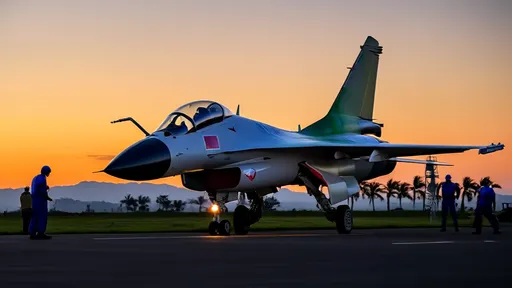
Indonesia's planned acquisition of Chinese J-10C fighter jets represents a significant shift in Southeast Asian military dynamics and strategic alignments. The potential deal, currently under negotiation between Jakarta and Beijing, would mark Indonesia's first major purchase of Chinese combat aircraft and could fundamentally reshape the country's defense posture in the region.
The discussions surrounding the J-10C procurement have gained momentum in recent months, with Indonesian defense officials making multiple visits to China to evaluate the aircraft's capabilities. According to sources familiar with the negotiations, Indonesia is considering acquiring between 24 to 36 J-10C fighters to replace its aging fleet of F-5 Tiger II aircraft. The timing of this potential acquisition coincides with Indonesia's ongoing military modernization program and reflects the country's desire to maintain a credible air defense capability amid growing regional security challenges.
Strategic Implications for Regional Balance
This potential arms deal carries substantial strategic implications for Southeast Asia's delicate power balance. Indonesia, as Southeast Asia's largest economy and most populous nation, has traditionally maintained a relatively balanced approach in its defense procurement, sourcing equipment from various suppliers including the United States, Russia, and European countries. A major purchase from China would represent a notable departure from this pattern and could signal Jakarta's willingness to deepen defense ties with Beijing.
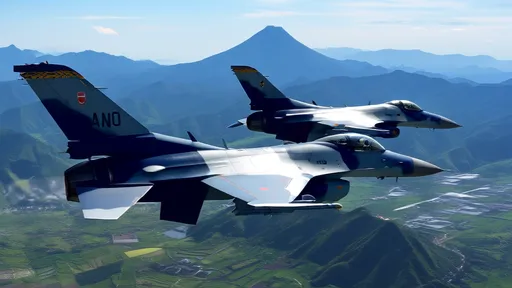
The J-10C, known as the "Vigorous Dragon" in Chinese service, is considered a fourth-plus generation fighter comparable to the American F-16 Block 70/72 or Russian MiG-35. Its advanced active electronically scanned array radar, sophisticated electronic warfare systems, and compatibility with China's latest air-to-air and air-to-ground munitions would provide Indonesia with a significant capability upgrade. The aircraft's potential deployment would enhance Indonesia's ability to patrol its vast archipelago and protect its strategic maritime interests.
Economic and Technological Considerations
Financial considerations appear to be driving Indonesia's interest in the J-10C. Compared to Western alternatives like the F-16V or French Rafale, the Chinese fighter offers a more cost-effective solution for Indonesia's limited defense budget. Industry analysts estimate that the J-10C's unit cost is approximately 30-40% lower than comparable Western aircraft, making it an attractive option for countries seeking to modernize their air forces without breaking their defense budgets.
Beyond mere cost considerations, the potential deal reportedly includes significant technology transfer and local production components. Chinese officials have offered to establish maintenance, repair, and overhaul facilities in Indonesia, with possibilities for local assembly of certain components. This approach aligns with Indonesia's broader industrial development goals and its ambition to build a more self-reliant defense industry under the "Indonesia Maju" (Advanced Indonesia) vision.
Regional Reactions and Geopolitical Context
Neighboring countries are closely monitoring the potential J-10C deal, with reactions ranging from cautious acceptance to visible concern. Australia, which maintains close defense ties with Indonesia, has reportedly expressed reservations about the interoperability challenges that could arise from Indonesia operating Chinese-made fighters alongside its Western-equipped aircraft. Meanwhile, Singapore and Malaysia are assessing how the introduction of advanced Chinese fighters might affect the regional military balance.
The timing of these negotiations is particularly significant given the ongoing tensions in the South China Sea. While Indonesia maintains that it is a non-claimant state in the territorial disputes, it has increasingly found itself at odds with China over fishing rights and maritime boundaries near the Natuna Islands. The potential J-10C acquisition could either complicate or help manage these tensions, depending on how both countries choose to leverage the new defense relationship.
Technical Capabilities and Operational Impact
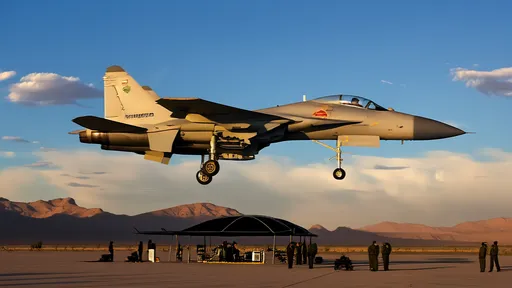
The J-10C represents the latest evolution of China's indigenous fighter program, incorporating lessons learned from operating earlier J-10 variants and studying foreign aircraft technology. Powered by either the Chinese WS-10B or Russian AL-31FN Series 3 engine, the J-10C boasts superior maneuverability and combat radius compared to Indonesia's current F-5s and older F-16 models. Its advanced sensor suite and weapons compatibility would enable the Indonesian Air Force to engage multiple targets simultaneously in complex electronic warfare environments.
Military analysts note that integrating the J-10C would require significant infrastructure upgrades and training programs. Indonesian pilots and maintenance crews would need to adapt to Chinese systems and operational doctrines, potentially creating logistical challenges given Indonesia's existing reliance on Western and Russian equipment. However, Chinese defense companies have offered comprehensive training packages and have demonstrated flexibility in accommodating Indonesia's specific operational requirements.
Broader Defense Cooperation Trends
The J-10C negotiations form part of a broader pattern of deepening Indonesia-China defense cooperation. In recent years, the two countries have expanded their military exchanges, conducted joint exercises, and collaborated on various defense industry projects. Chinese companies have participated in Indonesia's submarine development program and have supplied various types of military equipment, including drones and missile systems.
This growing defense relationship reflects the comprehensive strategic partnership established between Indonesia and China in 2013. Both countries have emphasized that their cooperation is not directed against any third party and serves to promote regional stability. However, the potential J-10C deal represents a qualitative leap in this relationship, moving beyond equipment sales to potentially establishing long-term operational and maintenance dependencies.
Domestic Political Considerations
Within Indonesia, the potential J-10C acquisition has sparked debate among political and military circles. Supporters argue that diversifying defense suppliers enhances Indonesia's strategic autonomy and provides leverage in negotiations with traditional Western partners. They point to past instances where political conditions attached to Western arms sales constrained Indonesia's operational freedom.
Critics, however, express concerns about becoming overly dependent on Chinese military technology and the potential implications for Indonesia's relationship with the United States and its allies. Some military traditionalists prefer sticking with Western equipment due to established training patterns, spare parts availability, and interoperability with regional partners. The final decision will likely reflect a complex calculation weighing operational needs, budgetary constraints, and broader foreign policy objectives.
Future Prospects and Regional Impact
Should the J-10C deal proceed, it could inspire similar moves by other Southeast Asian nations considering Chinese military equipment. Countries like Myanmar, Laos, and Cambodia have already acquired Chinese aircraft, but Indonesia's stature as a regional leader makes its potential purchase particularly significant. A successful J-10C integration into the Indonesian Air Force could make Chinese fighters more attractive to other regional air forces facing similar modernization challenges.
The United States has taken note of these developments and may respond by offering more attractive defense packages to Indonesia and other regional partners. The recent approval of F-15EX sales to Indonesia suggests that Washington remains committed to maintaining its defense relationship with Jakarta, even as Indonesia explores alternatives. This competitive dynamic could ultimately benefit Southeast Asian nations by providing more options and better terms in defense acquisitions.
Conclusion: A Pivotal Moment
Indonesia's potential acquisition of J-10C fighters represents more than just another arms purchase—it signifies the evolving nature of Southeast Asian security architecture and the growing sophistication of China's defense export industry. The outcome of these negotiations will reveal much about Indonesia's strategic priorities and its vision for regional security leadership.
As both countries work to finalize the deal's terms, the international community watches closely, recognizing that this decision could reshape defense relationships across the Indo-Pacific. Whether this potential acquisition leads to closer Indonesia-China strategic alignment or remains a pragmatic equipment purchase will depend on how both nations manage the broader implications of this significant defense cooperation initiative.

By /Oct 21, 2025

By /Oct 21, 2025
By /Oct 21, 2025

By /Oct 21, 2025
By /Oct 21, 2025
By /Oct 21, 2025

By /Oct 21, 2025

By William Miller/Oct 20, 2025

By /Oct 20, 2025

By /Oct 21, 2025

By /Oct 20, 2025
By /Oct 21, 2025

By /Oct 20, 2025

By /Oct 20, 2025

By /Oct 21, 2025

By Joshua Howard/Oct 20, 2025

By /Oct 20, 2025

By /Oct 20, 2025

By /Oct 20, 2025

By /Oct 21, 2025